
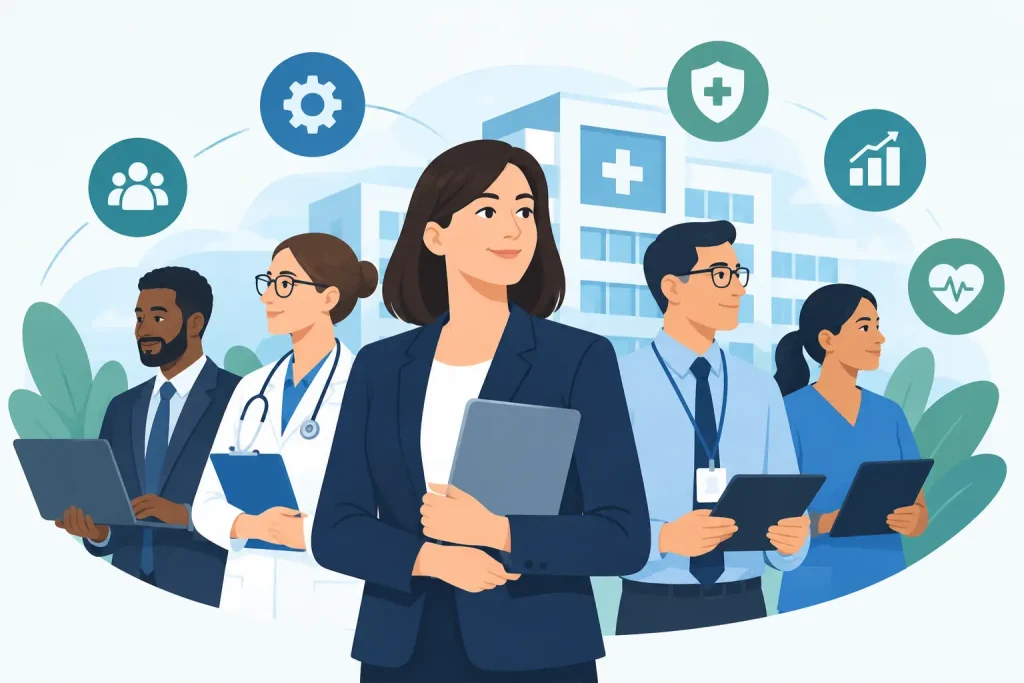
A busy healthcare workplace needs more than skilled practitioners. It needs people who can keep schedules accurate, protect patient information, guide clients through next steps, support teams, and make each interaction feel organized and respectful. That is why the best careers in healthcare administration appeal to people who are detail-oriented, calm under pressure, and motivated by meaningful work.
Healthcare administration is not one job with one route in. Some careers are office-centered and focused on operations, while others begin with direct patient or client experience and grow into leadership, coordination, or business ownership. The right choice depends on whether you want to work behind the scenes, face-to-face with clients, or eventually manage a healthcare or wellness practice.
What Makes a Healthcare Administration Career a Strong Fit?
A good administrative career combines people skills with reliable systems. Healthcare employers need professionals who communicate clearly, manage time well, understand confidentiality, and can respond thoughtfully when a patient, family member, or client needs help.
The work can be rewarding because every organized appointment, accurate record, and well-supported practitioner contributes to a better care experience. At the same time, it requires accountability. Healthcare environments can move quickly, and many roles involve strict procedures, documentation, and changing priorities.
For students considering a practical healthcare education, it also helps to think beyond a job title. Direct service training can build the confidence, client communication, professional judgment, and business awareness that support future administrative responsibilities.
8 Best Careers in Healthcare Administration to Consider
1. Medical Office Administrator
Medical office administrators help clinics run on time. Their work may include scheduling appointments, welcoming patients, handling records, coordinating referrals, processing forms, and supporting billing procedures. It is a natural fit for someone who enjoys structure and regular contact with people.
This role is often an entry point into larger responsibilities, such as office coordination or clinic management. Requirements vary by employer, but focused medical office training and familiarity with healthcare privacy practices are commonly valuable.
2. Clinic Manager
Clinic managers oversee the day-to-day performance of a medical, rehabilitation, wellness, or aesthetics practice. They may coordinate staff schedules, monitor supplies, respond to client concerns, help maintain policies, and track operational goals.
This is typically not a first job. Many clinic managers begin in reception, client care, healthcare support, or a practitioner role before moving into management. Firsthand experience with how clients move through an appointment can be a real advantage when leading a team.
3. Patient Care Coordinator
Patient care coordinators help people understand and navigate their care. Depending on the setting, they may book consultations, explain preparation steps, follow up after appointments, coordinate communication between departments, and make sure client questions reach the right professional.
Empathy matters as much as organization in this role. Patients may be anxious, uncomfortable, or unsure of what happens next, so a steady and respectful approach can make a noticeable difference.
4. Healthcare Scheduler
Scheduling is a specialized skill in hospitals, home-care organizations, clinics, and long-term care settings. A scheduler balances provider availability, appointment length, urgent needs, cancellations, and staffing requirements.
The work can be fast-paced, especially when schedules change unexpectedly. People who enjoy problem-solving, precision, and keeping many moving parts organized may find this path satisfying.
5. Health Information Specialist
Health information specialists focus on the accuracy, organization, privacy, and appropriate use of patient records. Their responsibilities can include reviewing documentation, maintaining electronic records, supporting compliance procedures, and helping a facility keep information accessible to authorized staff.
This career is especially appealing to students who prefer detail-focused work over constant public interaction. Formal education requirements differ by role and region, so it is wise to review local employer expectations before choosing a training path.
6. Medical Billing and Insurance Coordinator
Billing and insurance coordination connects clinical services with the financial side of care. Professionals in this area may verify coverage, submit claims, explain account information, and resolve billing questions with patients and insurers.
It is a role where accuracy and communication are equally important. A small error can delay payment or create confusion, while a clear explanation can help a patient feel more confident about their options.
7. Practice Administrator
Practice administrators often take on broad operational responsibility for a healthcare office or group practice. They may assist with budgets, hiring, policies, marketing, technology, vendor relationships, and performance planning.
Because the role has a wide scope, employers often seek a combination of administrative education, industry experience, and leadership ability. It can be an excellent long-term goal for people who want to help shape how a practice serves its community.
8. Wellness or Med-Spa Operations Manager
Wellness clinics and medical aesthetics environments need capable operations professionals who understand client service as well as business basics. An operations manager may coordinate booking systems, team communication, inventory, retail processes, client follow-up, and the overall experience from consultation to aftercare.
This path can be especially relevant for trained practitioners who want to grow into leadership. Knowing what happens in a treatment room, what clients expect, and how professional standards affect trust gives future managers valuable perspective.
Choose a Path That Matches How You Want to Work
The best healthcare administration career is not always the role with the broadest title. If you want a traditional office-based career, medical office administration, scheduling, billing, or health information may be the most direct options. If you are energized by working with people and want leadership opportunities later, a client-facing healthcare or wellness career can provide a different and valuable foundation.
For example, Personal Support Worker training develops communication, care awareness, teamwork, and professionalism in settings where people depend on compassionate support. Registered Massage Therapy can prepare students for a career that combines client relationships, clinical professionalism, and an understanding of how a practice operates. Medical Esthetics and Laser Technician training can support careers in client-centered wellness environments, where strong service, consultation, scheduling, retail, and business skills matter every day.
These programs are not substitutes for a dedicated healthcare administration credential when an employer requires one. They can, however, be practical choices for students who want employable hands-on skills now and the option to pursue supervisory, coordination, or practice-management responsibilities as their experience grows.
Build Skills That Employers Notice
Technical knowledge gets your foot in the door, but workplace habits help you move forward. Healthcare employers look for professionals who can communicate with warmth, maintain boundaries, document carefully, arrive prepared, and work well with a team.
Business knowledge also becomes more valuable as your career advances. Understanding client retention, professional communication, scheduling flow, basic marketing, and service standards can help you contribute beyond your assigned tasks. For students interested in managing their own wellness practice one day, these capabilities are part of the foundation.
At Elite College of Business and Healthcare, students can develop career-focused skills through hands-on, in-school practical training led by certified industry professionals. Applicable programs give students opportunities to build confidence in a supervised practical environment, working with models and clients while strengthening communication and workplace readiness.
Start With Experience You Can Use
Healthcare administration can lead to meaningful work, but career growth often starts with a clear understanding of the people and services a workplace supports. A practical diploma can help you enter a healthcare or wellness setting with real skills, professional confidence, and a stronger sense of where you want to go next.
If you are drawn to client care, wellness, rehabilitation, or medical aesthetics, choose training that lets you practice, receive guidance, and prepare for real workplace expectations. Your Career Starts With Us. Ready to begin your journey? Apply today and take the first step toward a career built on practical skill, confidence, and opportunity.